For a hundred years, archaeologists were set on the Sumerians being the first advanced civilization. Around 4,000 to 3,000 BC. Writing, agriculture, mathematics, urban planning, which was the starting line of human achievement. They didn't budge. And I shouldn't say, "didn't" budge, and I should say, "DID NOT" budge.
Then Gobekli Tepe showed up.
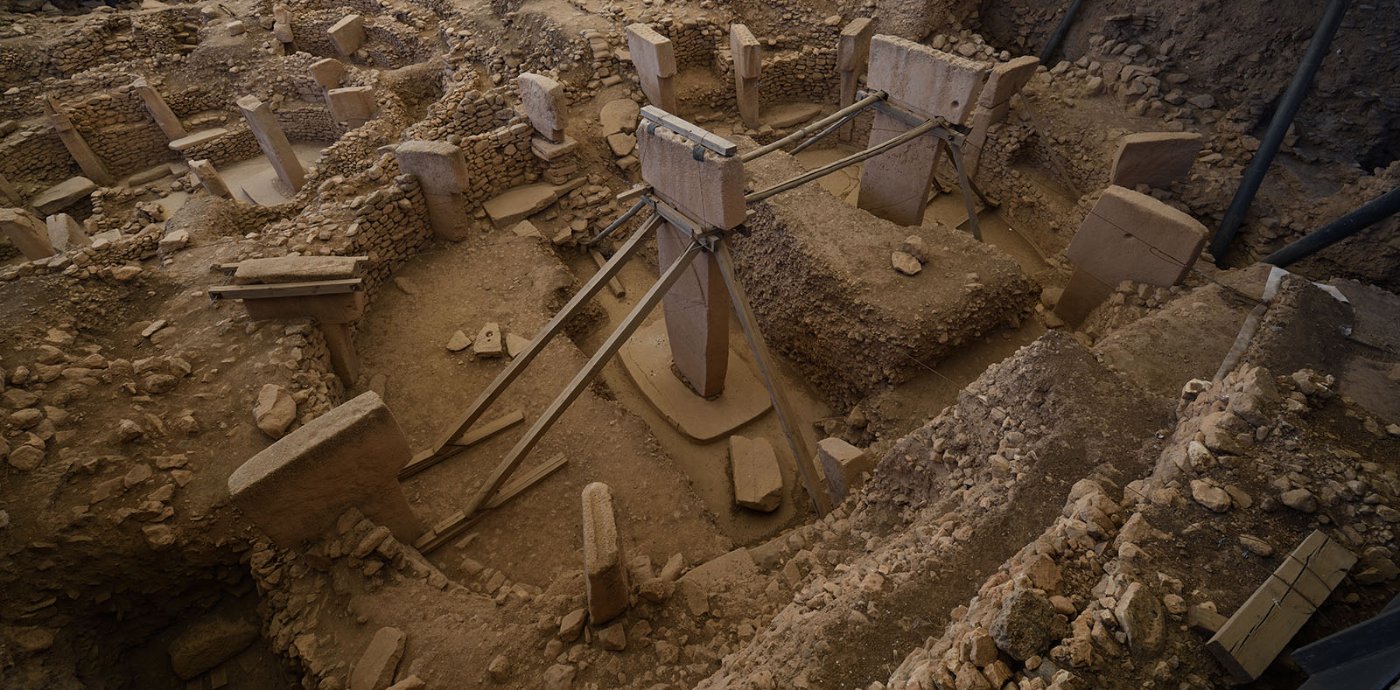
Discovered in modern-day Turkey, estimated at 11,000 to 12,000 years old. Massive stone pillars intricately carved with animal motifs. Sophisticated architectural design. A level of organization and technology that was supposed to be impossible for that era. These were supposed to be hunter-gatherers. Nobody builds something like Gobekli Tepe without a coordinated society behind it, without a well-managed and built agricultural system, without a well maintained labor force, and without qualified architects, designers, and sophisticated builders, and even trained workers to create what they created.
And then came Karahan Tepe. The sister site. Even older. Even more sophisticated. Even bigger and more grand.
The Sphinx has water erosion consistent with heavy rainfall, the kind that hasn't existed in the Sahara for at least 8,000 years. Geologists like Robert Schoch have been making this case since the 1990s. His seismic studies around the Sphinx's base showed extraordinary subsurface weathering, consistent with an age of at least 12,000 to 13,000 years.
The mainstream response to all of this has been slow. Dismissive in some cases. It took twenty years for Gobekli Tepe to get the attention it deserved, and some Egyptologists are still fighting the Sphinx evidence.
This is the world my books operate in. The gap between what's been found and what's been acknowledged. If these topics pull you in, the Epic of Atlantis series is built on exactly this kind of research. First book is Echoes of Time. Or if you want a tighter story with one character going into places he shouldn't, Project Atlantis kicks off the Ascendant Saga.
Photo: Dick Osseman, CC BY-SA 4.0, via Wikimedia Commons.